



- Monday 8:00AM - 4:30PM
- Tuesday 8:00AM - 4:30PM
- Wednesday 8:00AM - 4:30PM
- Thursday 8:00AM - 4:30PM
- Friday 8:00AM - 4:30PM
- Saturday Closed
- Sunday Closed
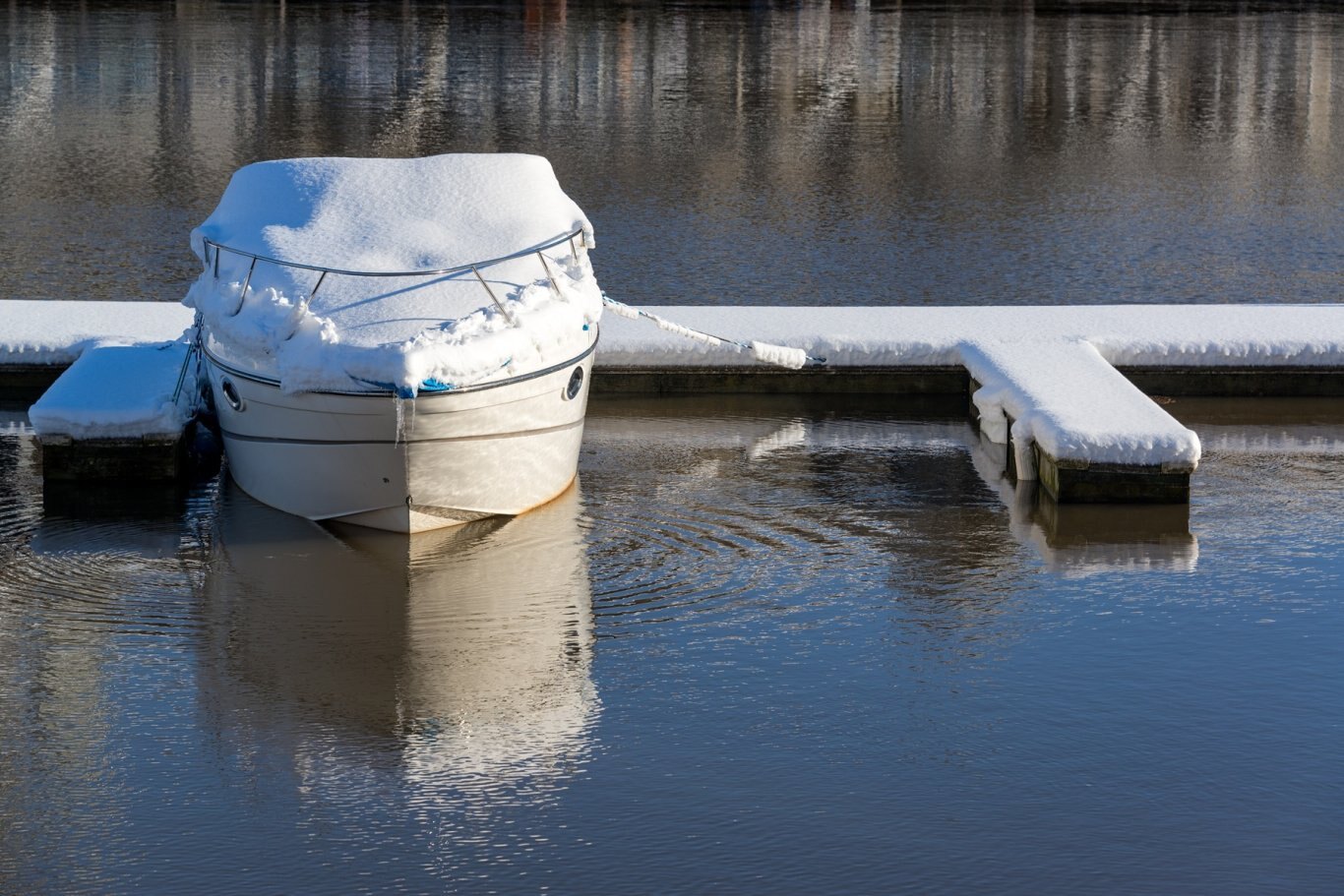
How to Winterize Your Outboard Motor: A Step-by-Step Guide (Coastal BC Edition)
How to Winterize Your Outboard Motor: A Step-by-Step Guide (Coastal BC Edition)
Winter on the BC coast is mild compared to the Prairies, but months of rain, salty air, and the odd freeze snap are tough on boats. A careful winterization saves you from spring surprises like corroded parts, milky gear oil, seized steering, dead batteries, and a moody outboard that won’t start the first nice weekend in March. This guide walks you through a practical, do-it-once process tailored to local waters—Burrard Inlet, Indian Arm, Howe Sound, and beyond.
What You’ll Need
Fuel stabilizer suitable for ethanol blends, fogging oil (for 2-strokes and many 4-strokes per OEM guidance), marine engine oil and filter (4-stroke), marine gear oil plus fresh drain plug gaskets, marine grease, anti-corrosion spray, -50 °C RV/marine antifreeze for freshwater and head systems, hand tools, torque wrench, rags, and drain pans. Optional but helpful: moisture absorbers or a small dehumidifier (if you have shore power), and a smart battery maintainer. Wear gloves and eye protection, and dispose of oils and fuels responsibly.
When to Winterize on the BC Coast
Most owners winterize between late October and December or right after their final run. If you plan occasional winter outings on calm, sunny days, complete the steps below but keep fuel stabilized and batteries maintained; you won’t have to “undo” much to go for a quick cruise.
Step-by-Step: Outboard Winterization
1) Flush the Cooling System (Saltwater Priority)
Connect a garden hose to flushing muffs or the outboard’s built-in port and run fresh water for 10–15 minutes. You want the thermostat to open so the whole cooling passage gets rinsed. Watch the tell-tale; weak or erratic flow can hint at a tired impeller or salt build-up that you can address now or note for spring.
2) Stabilize and Protect the Fuel System
Add the recommended dose of marine fuel stabilizer to fresh gasoline, then run the engine about 10 minutes so treated fuel reaches the injectors or carburetor. For EFI engines, that’s usually enough. For carbureted models, drain the carb bowls after running stabilized fuel to prevent varnish. While you’re there, squeeze the primer bulb and inspect fuel lines for soft spots or cracking—ethanol exposure and time can degrade them.
3) Fog the Engine (If Applicable)
Two-strokes almost always benefit from fogging: spray fogging oil into the intake while the engine idles per the product instructions, then remove the spark plugs, add a few drops of two-stroke oil into each cylinder, and turn the engine by hand to coat internal surfaces. For many modern four-strokes, OEMs vary—some still recommend fogging, others rely on fresh oil film and corrosion inhibitor. If you’re unsure, a light fog through the intake and a corrosion inhibitor on exposed metal is a safe bet. Do this outdoors; it smokes.
4) Change Engine Oil and Filter (4-Stroke)
Warm oil drains faster and carries more contaminants with it. Drain completely, replace the filter, refill with the manufacturer-specified marine oil, and note the date and hours. Fresh oil sitting all winter is much kinder to bearings and journals than acidic, used oil.
5) Service the Lower Unit
Remove the vent and drain plugs and catch the gear oil. Milky oil indicates water intrusion; metal flakes suggest wear—either is a reason to have a tech pressure-test seals. Install new plug gaskets and refill to spec from the bottom port until oil appears at the vent. Pull the prop, check for fishing line around the shaft (a common seal killer), grease the splines, and inspect the blades for dings that can vibrate the gearcase to death over time.
6) Check the Cooling System and Anodes
Pop the cowling and look over water passages you can see. Inspect sacrificial anodes on the lower unit and trim/tilt. In our salt and brackish waters, replace anodes when they’re roughly half consumed, and use the correct alloy for your moorage conditions. If your tell-tale has been weak or it’s been a couple of seasons, plan an impeller/water-pump kit.
7) External Protection and Lubrication
Mist the powerhead lightly with a corrosion inhibitor, avoiding belts, air intakes, and sensors. Lubricate throttle and shift linkages, steering pivots, and any grease fittings. Wash off salt, dry, and apply a coat of wax to the cowling and lower unit to shed the winter grime.
Batteries and Electrical (Moist, Mild Winters)
Disconnect or remove batteries, clean the posts, and coat with dielectric grease. Keep them on a smart maintainer or top them up monthly; nothing kills batteries faster than sitting at a partial charge through a damp winter. If you’re storing in the water, confirm the bilge pump and float switch work and the boat has reliable shore power or solar. A failed pump plus a week of rain can become an insurance claim.
Boat-Wide Winterization
Fuel tank: Keep it about 90–95% full to minimize condensation but leave room for expansion during warm spells. Confirm the vent is clear and any vapour canister is intact.
Freshwater and head: Drain potable lines and tanks. Pump -50 °C RV/marine antifreeze through faucets, showers, and the toilet intake until it runs pink. If you have a water heater, bypass or drain it. Treat the holding tank per the product instructions.
Bilge and moisture control: Clean and dry the bilge. If your boat has low spots prone to freezing, a splash of RV antifreeze there provides insurance. Use moisture absorbers or a dehumidifier on a timer if you have shore power, and choose a breathable cover or well-fitted canvas; plastic tarps that trap moisture invite mildew.
Canvas, upholstery, and hardware: Rinse salt, let everything dry, treat vinyl, crack hatches slightly for airflow, and re-bed any suspect deck hardware before months of rain drive water below.
Trailer (if applicable): After the last saltwater dunk, rinse brakes and hubs, check bearing play, tire pressures, lights, and the coupler. A winter blowout on the Upper Levels Highway is not a great spring kickoff.
Storage Options Around the North Shore
Home on a trailer gives you control and easy check-ins;remove the drain plug and set the bow slightly up to drain the water out the bilge. Dry stack or indoor storage reduces corrosion and is worth pricing near Howe Sound and Burrard Inlet. If you’re staying in the water, double up lines, add chafe gear and snubbers for winter storms, set fenders to protect against surge, and consider a de-icer for sudden cold snaps during outflow winds.
Local Watch-Outs
Coastal BC gets “atmospheric river” events and then sudden cold. Any water left in low spots can freeze overnight in outflow winds down Indian Arm or Howe Sound. Pine needles clog scuppers—check them after windstorms. On boats kept in the water, schedule a mid-winter rinse of the outboard and a quick inspection day to catch issues before they grow.
Common Mistakes to Avoid
Skipping the lower-unit oil change lets hidden water intrusion sit all winter. Running stabilizer but not running the engine long enough to circulate it leaves untreated fuel in lines and injectors. Sealing the boat under a non-breathable tarp traps moisture and breeds mildew. Leaving batteries connected without maintenance charging shortens their life. Forgetting to pull the prop and check for fishing line risks a springtime seal failure.
Quick-Reference Checklist
Flush cooling system → Stabilize fuel and run the engine → Fog if recommended → Change engine oil and filter (4-stroke) → Drain and refill lower-unit oil with new gaskets → Pull and grease prop shaft; inspect for line → Inspect/replace anodes → Lube linkages and steering; corrosion-protect powerhead → Disconnect and maintain batteries → Drain freshwater/head; pump RV antifreeze → Dry the bilge; set up moisture control → Cover and secure the boat; note service dates.
DIY or Call a Pro?
If you have good access, basic tools, and a couple of hours, most of this is very doable. Call a technician if the drained gear oil looks milky, you find metal shavings, the tell-tale stays weak, fuel lines are soft or cracked, or electrical gremlins appear. A documented professional winterization also helps with resale—proof you’ve cared for the boat through the wet months.
Spring Re-Commissioning Preview
In spring, drain antifreeze from lines, flush with fresh water, reinstall and charge batteries, test-run on muffs, and verify cooling flow. Check safety gear expiry dates, confirm navigation lights work, and schedule an impeller service if it’s due. A brief shakedown on a calm day in English Bay or Howe Sound will reveal anything that needs attention before longer runs.
Need a hand? North Shore Marine can handle your winterization end-to-end—outboards, electrical, freshwater systems, and storage prep—with local know-how for Burrard Inlet, Indian Arm, and Howe Sound. Book your winterization today and head into spring ready to launch.
Category Name
Blogs
Manufacturer Qty
0