



- Monday 8:00AM - 4:30PM
- Tuesday 8:00AM - 4:30PM
- Wednesday 8:00AM - 4:30PM
- Thursday 8:00AM - 4:30PM
- Friday 8:00AM - 4:30PM
- Saturday Closed
- Sunday Closed
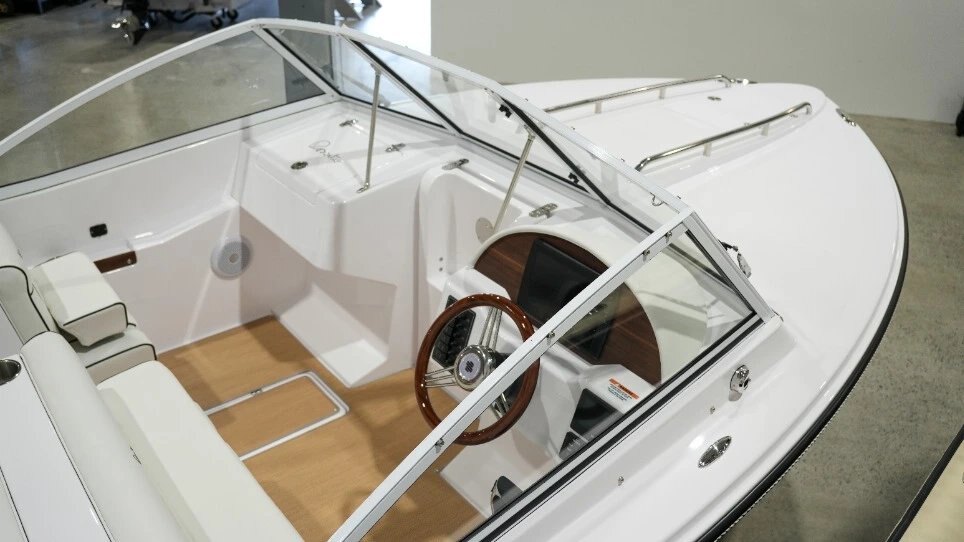
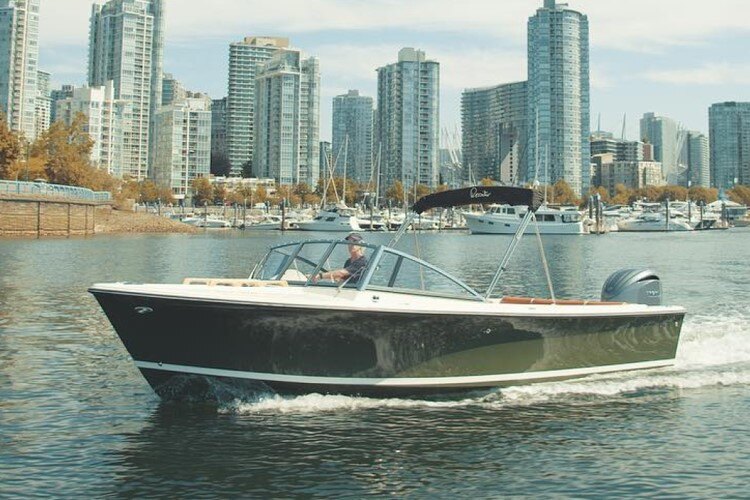
Buying a Used Rossiter Boat? Here’s What You Need to Know
TL;DR
Why Rossiter? Hand-built, fully-composite construction, deep-V ride, self-draining cockpits, timeless lines, and strong resale. The R14 (24° deadrise), R17/R20/R23 (22°) are standouts for day boating in Howe Sound, Indian Arm, and the Gulf Islands
What to do: Check history, inspect hull/systems, run diagnostics + sea trial, and confirm paperwork/licensing for BC buyers. Use a surveyor for peace of mind.
Warranty & build: Rossiter promotes a lifetime hull warranty for the original owner; older coverage was reported as transferable to a second owner for a period—verify by Hull Serial Number (HIN) with a dealer.
Why Rossiter makes sense on the North Shore
Rossiter’s deep-V hulls and weight distribution deliver a soft, dry ride in local chop, with quick-to-plane, low bow-rise behavior on the larger models—great for running from Coal Harbour to Bowen or up Indian Arm. Their construction highlights include self-draining cockpits, composite stringer systems, and no structural wood on the R20/R23 (solid fiberglass hull/liner/deck).
The Rossiter model lineup at a glance
General used-boat checklist (applies to any brand)
Paperwork & history
HIN matches bill of sale; maintenance/service logs; any repair invoices; proof of winterization/storage; engine hours & diagnostic printout where available.
For larger purchases, hire a surveyor + mechanical inspection.
Hull & deck
Look for impact marks at bow, chine, and strakes; hairline gelcoat cracks around high-load fittings; even hull-to-deck joint; solid feel underfoot.
Systems & electrics
Test bilge pump/float, nav/anchor lights, horn, wiper(s), washdowns, trim tabs, stereo, and electronics. (R20/R23 list many of these as standard/option.)
Upholstery/teak/canvas
Check seams, piping, snaps, bimini/console/console-cover fit, seagrass mat wear. (Options vary by model/year.)
Trailer (if included)
Brakes, bearings, bunks/rollers, lights, VIN, and tire date codes.
Want a printable scoring sheet? Start with the BoatUS buyer checklist to rate each area 1–5.
Engine & propulsion (what to ask and test)
- History: hours; last full service (plugs, gear oil, water pump/impeller); any corrosion work; prop condition; anodes; battery age.
- Controls/steering: smooth shift/throttle, hydraulic helm play, power trim/tilt.
- Sea trial: cold start, idle quality, planing time, WOT rpm within engine spec for the prop, vibration/cavitation, trim-tab response (R20/R23), and electrical loads. Use a generic used-boat checklist as your script.
Rossiter-specific checks & desirable options
Signature features to test: self-draining cockpit/scuppers, storage drains, “quick to plane with little-to-no bow rise” on R20/R23, and overall dryness of compartments after the run.
Nice-to-haves (varies by year): Fusion stereo, Garmin MFD, dual battery setup, windlass + plumbed head (R23), T-top (R17 CC), seagrass mats, teak packages, pop-up ski-tow.
Fit & finish cues: through-bolted stainless hardware with backing plates; tidy wiring runs; uniform gelcoat. (Rossiter publishes construction details emphasizing composite structures and stainless hardware.)
Smart questions to ask the seller
- Why are you selling, and where was the boat primarily used (salt vs. fresh)?
- Storage history: moorage vs. trailer; covered or outside; who winterized/serviced it?
- Accidents/repairs: any gelcoat or fiberglass work?
- Engine: hours; last full service; any computer diagnostics; any transferable warranty?
- Options: which were factory-installed vs. dealer-added (tabs, windlass, T-top, head, electronics)?
- What’s included: safety kit, lines/fenders, canvas, manuals, spare prop, trailer?
Red flags (re-price or walk away)
Perpetually wet compartments or scuppers that don’t drain; soggy seagrass mats after a dry day on the water.
Sluggish planing with heavy bow rise (could be prop pitch, tabs, weight distribution, or engine power/health). On R20/R23 you should feel a quick transition to plane when set up correctly.
Corroded grounds/green terminals; brittle canvas/snaps; numerous un-backed hardware holes.
What affects pricing on a used Rossiter
- Year/model/engine (hp, hours), electronics, upholstery/teak condition, trailer, and service records.
- Local demand (North Shore/Sea-to-Sky buyers tend to favour the R17/R20 for day trips; as well as the R23 for “picnic boat” comfort).
- Bracket value using current listings by model to sanity-check fair-market ranges. (Dealers often publish spec/option lists you can compare.)
BC ownership essentials (paperwork & licensing)
In Canada, most powered pleasure craft used/kept in Canada require a Pleasure Craft Licence (PCL) unless voluntarily registered; an existing PCL stays with the boat and is transferred to the new owner. Check the HIN and seller ID match your paperwork.
Operators need proof of competency (e.g., Pleasure Craft Operator Card)—make sure you and other drivers are covered before the handover.
Sea-trial script (15–20 minutes you can copy/paste)
- Ramp/dock: cold start, idle, shift in/out; check charging voltage; confirm bilge pump/float.
- Displacement: slow turns; steering slop; check for rattles/vibrations.
- Acceleration to plane: note bow rise and time-to-plane; test trim tabs if fitted (R20/R23).
- Cruise runs into/with chop: listen for creaks; watch spray pattern/dryness.
- WOT check: rpm within engine spec for the prop; then slow to idle and re-start warm.
- Systems: nav lights, wiper(s), stereo/MFD, washdowns, windlass/head if equipped.
- Post-run: open every hatch—look for water, smell for fuel, verify drains/scuppers.
Model-by-model quick profiles
R14 — compact classic
Self-bailing, unsinkable, and remarkably capable for its size; a great “first Rossiter” for lakes or ultra-calm coastal days. ~35 mph with appropriate power/prop per builder notes.
R17 Runabout (Closed Deck)
Classic deckline and 7-person capacity with a soft, dry ride. Side-mount throttle, generous storage, and optional docking lights.
R17 Center Console
Same hull with a fish-friendly layout, binnacle throttle, rod storage, and optional live-well and T-top.
R20 Day Boat (Coastal Cruiser)
Designed for “big water” practicality: trim tabs, self-draining cockpit, composite stringer system, tons of dry storage, and quick-to-plane manners.
R23 Classic Picnic Boat
Flagship fit/finish for family day boating: plumbed head, windlass, teak options, and that “little-to-no bow rise” launch feel that keeps sightlines clear.
Warranty & build confidence
Rossiter emphasizes fully-composite construction and a lifetime hull warranty for the original owner. Third-party coverage in 2017 reported a 10-year transfer window for second owners; policies can change, so confirm current eligibility by HIN with a dealer at the time of purchase.
FAQ
Are Rossiters “wood-free”?
Yes—R20/R23 list no structural wood (solid fiberglass hull, stringer grid, and deck/liner). Earlier/smaller models use composite stringers/liners and solid fiberglass construction.
Can an R17/R20 pull skiers or tow-toys?
Absolutely—look for the removable/popup ski-tow option and match prop pitch to engine spec.
What’s a realistic passenger load for local waters?
Follow the capacity plate, but for mixed-sea days, many owners run one or two below max for comfort and stowage.
What documents should I take home on delivery?
Signed bill of sale with HIN/engine serials, PCL transfer receipts, keys/manuals, service records, and a written list of included gear.
Why buy your used Rossiter from North Shore Marine
- Local inventory & comps: we know fair pricing for R14/R17/R20/R23 in the Lower Mainland.
- Pre-list inspections & transparent histories (service checks, sea-trials on Burrard Inlet/Howe Sound).
- After-sale support: winterization, detailing/ceramic, electronics upgrades, storage advice.
Browse our current used Rossiters or if you've found a preowned Rossiter for sale book a mechanical inspection with our service department.
Category Name
Blogs
Manufacturer Qty
0